
For a long time, I believed feeling my best required complex routines and constant optimization. Instead of spreadsheets to track all my supplements, I’ve learned that health is built through simple, daily habits. While I don’t follow them perfectly and I vary as needed, there are some things that I consider to be my non-negotiables.
When people ask about my daily habits, they often expect advanced biohacks or expensive tools. The reality is much simpler. Most of what I do is free or low-cost and rooted in nature. Light, minerals, movement, sleep, and time outdoors aren’t trends, but foundational needs. This post breaks down the habits I practice most consistently and explains why they matter.
The idea isn’t for you to copy everything I do exactly, but see what resonates with you. Use it as a springboard to create your own healthy routines.
Why I Rely On Minerals (and So Do You)
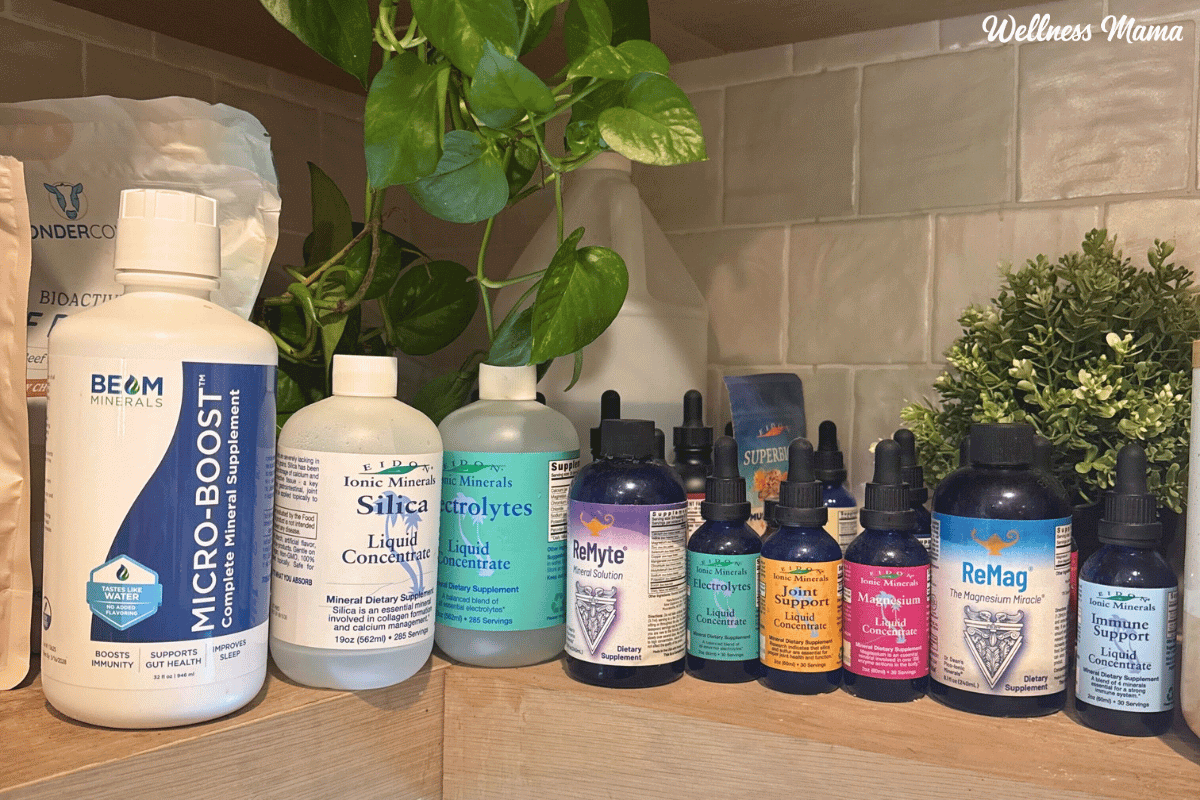
Hydration is one of the few things I consider close to a true non-negotiable, but it’s not just about drinking more water. You might have heard that we’re 80% water, but actually we’re 80% salt water. Our bodies are intricate electrical systems that need minerals for cellular communication, nerve signaling, muscle contraction, and energy. Water alone won’t do the job.
Our ancestors drank from streams and rivers that washed over rocks and minerals, but our modern water sources are less ideal. I’ve noticed a huge difference in my hydration since adding minerals and salt first thing in the morning.
After hours of sleep, the body naturally wakes up mildly dehydrated from water lost through breathing and perspiration. I rotate different sources, including mineral water, electrolytes, or water with plenty of quality salt. I even travel with my own salt and minerals!
Most of us are mineral deficient from depleted soil and filtered water. Add sweating, sauna use, or exercise, and those needs increase significantly. I also prefer to front-load hydration earlier in the day so I’m not trying to catch up at night. This supports better sleep and steadier energy throughout the day.
The Minerals I Take Daily
I mention several different mineral sources on the podcast and blog and that’s because I like to rotate my minerals. Right now my go-to minerals are :
Supplements I’m Loving Right Now
I don’t take supplements every single day, and I don’t even take the same ones every day. I’ll reach for what I feel like my body needs in the moment. There are a few however that I do take most days. While my genetic testing showed these are especially helpful for me, they’re also great for most people. I rotate others as needed, but these are the steady ones.
• Phosphatidylcholine (for methylation, nervous system health, and focus)
• Glycine (for sleep, blood sugar support, collagen production)
• Inositol (for mood, metabolic support, and restorative sleep)
Getting Morning Sunlight to Set Circadian Rhythm
Morning light exposure is one of the most impactful daily habits I’ve adopted. As soon as I roll out of bed and grab my jar of salt water, I step outside for some morning sunlight. If you can’t get out at sunrise, aim to get outside within an hour of it. I’m not staring at the sun, just being outdoors and letting natural light do its work.
Light exposure regulates circadian rhythm, cortisol patterns, and hormone signaling. Morning light also supports melatonin production later in the day, which directly impacts sleep quality. Even on cloudy days, outdoor light is far stronger and more beneficial than indoor lighting.
I often habit stack this with hydration and grounding, standing barefoot outside while drinking mineral water. When possible, I also try to see sunrise and sunset. These times offer natural red light that supports mitochondrial health, skin health, and eye health.
Light is one of the simplest and most overlooked health tools available, and it’s completely free.
Make Sleep a True Priority
Quality sleep is foundational. I’ve never interviewed a single health expert who said sleep doesn’t matter. Without enough quality sleep, every other aspect of our health suffers. But a good night’s sleep starts long before bedtime.
Morning light exposure, hydration, and daytime movement all support better sleep at night. Our sleep environment also plays a big role. I prioritize darkness with full blackout shades and eliminate artificial light exposure in the bedroom. I literally can’t see my hand in front of my face once the shades go down!
Temperature is another key factor. Sleeping in a cooler environment supports deeper and longer sleep. Instead of cooling the entire house, I use my ChiliPad to cool my bed and mimic natural sleeping conditions. I notice a big difference when I travel and don’t have it with me!
My Favorites For Sleep
While many of my health habits are free, my sleep area and nighttime routine is one area I’ve invested a little more in. And things like a sound machine, bedroom air filter, and blackout shades are things I can set up once and just keep using. It’s an easy way to automate my health habits.
It’s completely optional, but I’ve also been liking Tranq Dart from Wizard Sciences at night for winter sleep. Sometimes I’ll alternate this with my other favorite evening beverage, Cacao Calm.
Better Breathing With Mouth Taping
This is another nighttime habit, but deserves it’s own mention. Mouth taping is one of my more unconventional habits, and it’s not for everyone. It helps support nasal breathing during sleep, which promotes slower, deeper breaths and better oxygenation.
Chronic mouth breathing can contribute to dry mouth, cavities, brain fog, sleep issues, and so much more. Gently taping the lips closed encourages nasal breathing and I notice I wake up more refreshed. You can get more details on mouth taping (and if you should try it) here.
Grounding For a Happier Nervous System
Grounding (aka earthing) means spending time barefoot on grass or dirt. It’s another daily staple in my healthy habit routines. Whether it’s grass, dirt, or sand, direct contact with the earth has a calming effect on the nervous system and helps align our body’s natural electrical signals. These can easily become disrupted from too much time indoors and using devices (like cell phones).
Research suggests grounding may help regulate cortisol rhythms, reduce inflammation, and improve heart rate variability over time. Subjectively, it feels grounding and stabilizing, especially when paired with sunlight and fresh air. I’ll often ground in the mornings and evenings when I’m getting light exposure and it’s another free habit.
Using Hot and (Sometimes) Cold Therapy
Sauna is one of my favorite and most powerful wellness tools I use. Heat exposure creates a short-term stress that teaches the body to become more resilient. Regular sauna use is linked with cardiovascular benefits, better detox, and a longer life span.
I aim for sessions around 20 minutes and use my sauna several times per week whenever possible. Cold exposure can also be beneficial, either on its own or paired with sauna in contrast therapy. While this one isn’t free, it can be a great addition to your health routine. If I could only keep one wellness modality in my home, sauna would be it.
Starting the Day With Protein
After hydration and light exposure, I prioritize morning protein. Getting at least 40 grams of protein early in the day helps stabilize blood sugar, support muscle health, and promote steady energy.
From a hormonal perspective, protein-first mornings send safety signals to the body. This helps reduce junk food cravings later in the day and help avoid energy crashes. I’ve noticed I focus better and feel fuller when I get morning protein in.
It’s not about eating the same foods on repeat, but prioritizing nourishment so our body is getting those safety signals.
Timing Is Everything
When possible, I try to stop eating around sunset. This isn’t a strict rule, and I recognize it doesn’t work for everyone or every location. For me, eating earlier supports better digestion and deeper sleep.
By aligning meals with daylight hours this works with our circadian biology. It gives the body a break from digestion and instead allows more energy for repair and recovery during sleep. Even shifting dinner a bit earlier so that you’re done eating 3-4 hours before bed can make a difference.
This is one habit that’s flexible and depends on the seasonal rhythms.
Why I Hang (Almost) Every Day
Hanging from a bar or sturdy surface is one of the simplest movement habits I practice. Even short intervals throughout the day can decompress the spine, stretch the shoulders, and support grip strength.
Researchers are increasingly recognizing how grip strength plays a big role in our longevity and overall health. Hanging supports joint health, posture, and functional movement without requiring a formal workout. I aim for a total of about three minutes per day, broken up as needed. This habit fits easily into daily life and offers benefits far beyond the time invested.
Getting Red Light From Nature First
Red light therapy devices can be helpful, but nature offers a free version every day at sunrise and sunset. This gentle light supports mitochondrial health, skin health, and circadian rhythm regulation.
I have red light panels that I use often, but I still prioritize natural red light whenever possible. This keeps the focus on foundational habits rather than tools or technology. Simply being outside at sunrise and sunset is an easy way to get the free benefits of red light. And again, I’ll habit stack this with grounding and minerals!
I prioritize the simple things, but I’ve also noticed benefits from other wellness tools. I love my acupressure mat for muscle tension relief, and things like PEMF and BioCharger tech. While I don’t consider them essential basics, they’re a nice addition to a solid health routine.
These tools are layered on top of foundational daily habits and the basics matter far more than any advanced tech. You can still be really healthy without access to specialized equipment.
Final Thoughts on Building Your Own Daily Habits
Over time, I’ve found consistency matters more than intensity. Most of the habits I rely on are simple and accessible. They don’t require perfection or rigid schedules but instead support the body’s natural rhythms day after day.
Health builds quietly, much like compound interest. The small choices you make most days shape how you feel over time. You don’t need to adopt every habit at once. Start with baby steps and build from there. Often, the simplest daily habits create the biggest and most lasting change.
Which health habits do you rely on to feel your best? Any you would add to this list? Leave a comment and let us know!
